About the Program
The VCU Department of Psychiatry’s mission is to train tomorrow’s mental health professionals. Our comprehensive residency program balances brain science and therapeutic training with the knowledge and support to help our trainees achieve here and beyond.
We are proud to provide a uniquely challenging and supportive residency experience that offers the following:
- A commitment to producing compassionate, adaptable physicians
- A dedication to lifelong learning and teaching in the context of a rapidly changing health care environment
- Strong, involved leaders who are always available to residents
- A diverse patient population, including those with challenging psychiatric conditions and complex comorbidities
- Camaraderie and collegiality, both inside and outside the hospital
- Innovation in research, training and practice
Residency Leadership

Bushra Mubashshir, M.D.
Associate Professor
Residency Program Director
Bushra Mubashshir, M.D.
Associate Professor Residency Program Director
Department of Psychiatry
Adult Ambulatory Psychiatry
Residency Program Director
Email: bushra.shah@vcuhealth.org
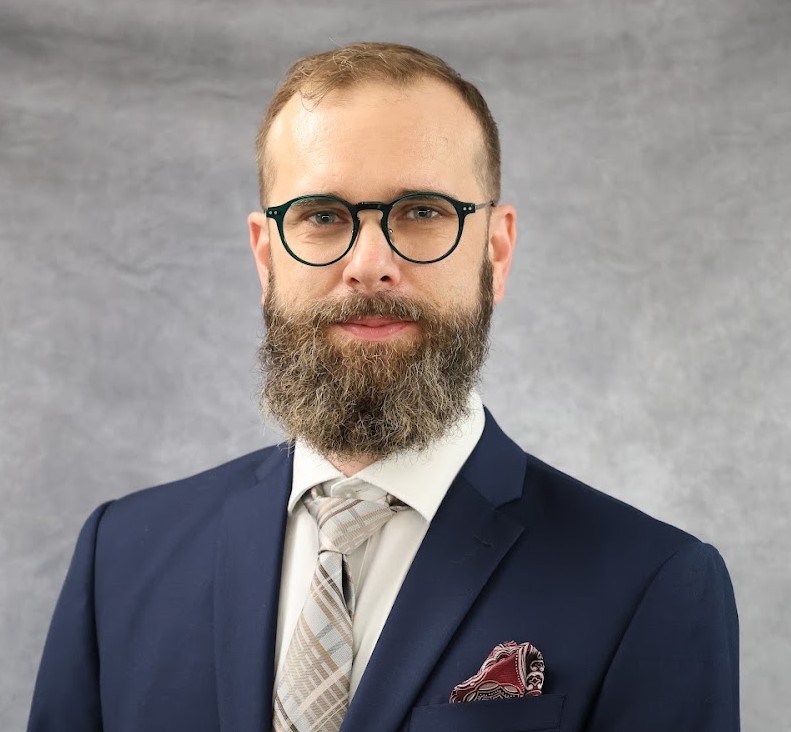
Jason Burton, M.D.
Assistant Professor
Associate Program Director
Jason Burton, M.D.
Assistant Professor
Associate Program Director
Psychiatry
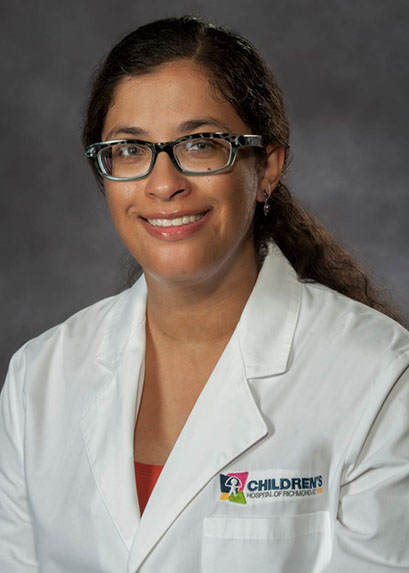
Kathryn Jones, M.D., Ph.D.
Associate Professor
Associate Program Director
Kathryn Jones, M.D., Ph.D.
Associate Professor Associate Program Director
Department of Psychiatry
Child and Adolescent Psychiatry
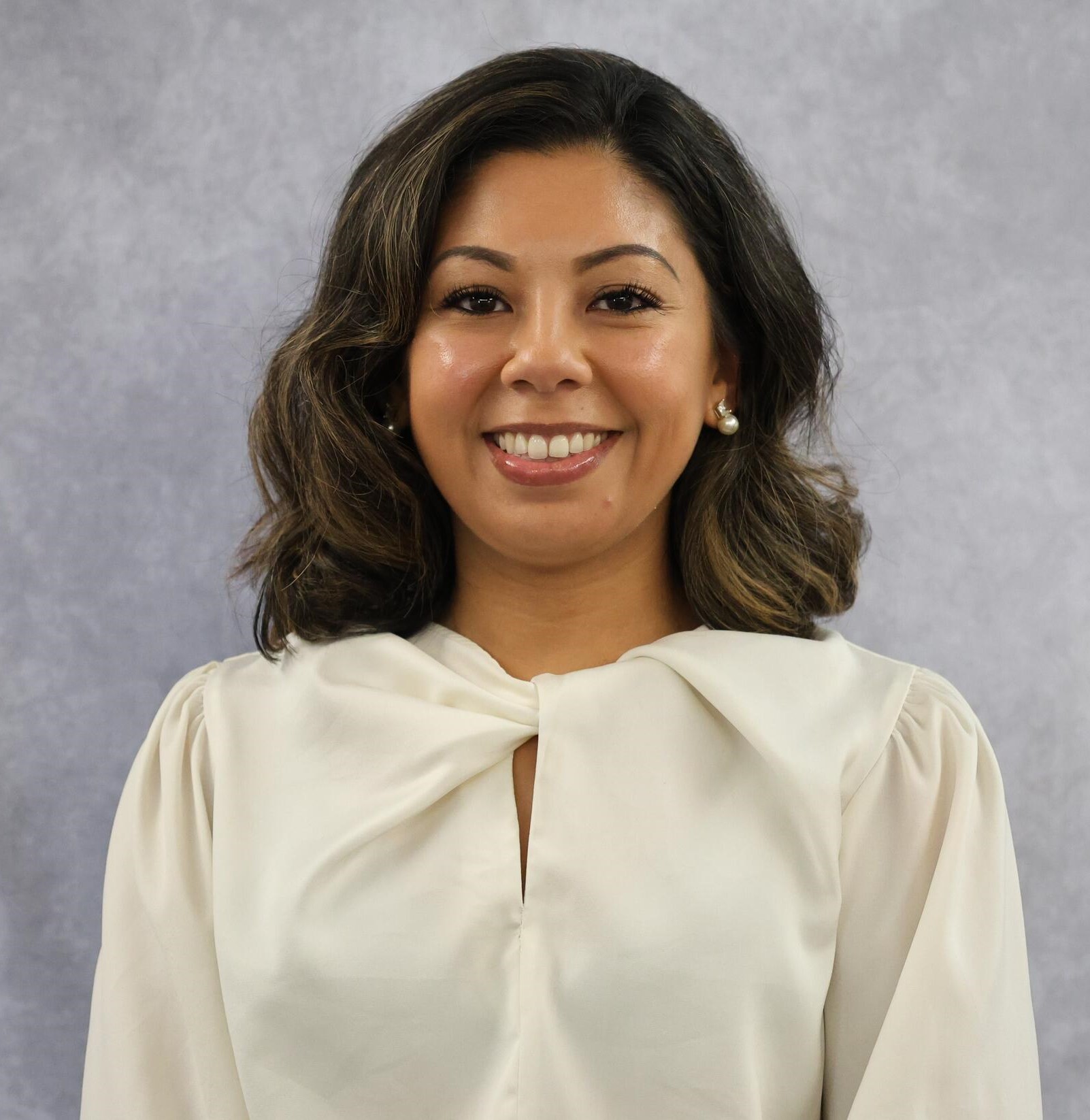
Jessica Drayton
Senior Residency Program Coordinator
Jessica Drayton
Senior Residency Program Coordinator
Department of Psychiatry
Curriculum and Rotations
Our clinical education is structured to allow residents the flexibility to meet graduation requirements while also pursuing individual interests, with protected didactics and supervision time. In addition to intensive clinical supervision, a faculty coordinator is responsible for working with residents during each of the program’s four years to maximize the trainees’ learning experiences.
PGY-1
During the intern year, residents spend six months rotating off-service on internal medicine, emergency medicine and neurology. Residents with an interest in child and adolescent psychiatry may spend one to three blocks on pediatrics instead of internal medicine.
The other six months are spent on inpatient psychiatry at VCU Medical Center and the Richmond VA Medical Center (VAMC). VCU inpatient psychiatry rotations are split into specific teams, according to the patient’s presentation on admission. Those teams include mood disorders, schizophrenia, geriatrics and medical psychiatry.
Inpatient psychiatry (VCU): 3 blocks
Neurology: 2 blocks
Emergency medicine: 1 block
Internal medicine or pediatrics: 3 blocks
Inpatient psychiatry night float: 1 block
Inpatient psychiatry, substance abuse (VAMC): 3 blocks
PGY-2
Starting in PGY-2, residents learn the basics of supportive psychotherapy in a dedicated afternoon clinic at our outpatient facility. Second-year rotations consist of various psychiatry experiences, again in 13 four-week blocks. Residents continue to rotate through each VCU Medical Center inpatient team, so that they will have rotated through every team at least once by the end of PGY-2. Residents also rotate through each of the subspecialty rotations for a minimum of one four-week block. Residents may submit requests to tailor their schedules to their specific interests, with the potential for extra time on any given rotation.
Inpatient psychiatry, substance abuse (VAMC): 2-3 blocks
Subspecialty rotations (ECT, VTCC inpatient, adult consultation-liaison, day float): 5+ blocks
Inpatient psychiatry (VCU): 3-4 blocks
Emergency psychiatry night float: 1-1.5 blocks
VAMC night float: 1-1.5 blocks
Outpatient psychotherapy clinic: 4 hours per week
PGY-3
All PGY-3 rotations, with the exception of psychiatry consults in the emergency department, are completed on an outpatient basis, with each half-day representing a different clinic. The general psychiatry and psychotherapy clinics are longitudinal throughout the year, while the other clinics rotate every three to six months and include rotations at the Richmond VA Medical Center. The following is a sample schedule:
Monday
AM: Psychotherapy supervision clinic
PM: Subspecialty/psychotherapy clinic
Tuesday
AM: Longitudinal resident clinic
PM: Subspecialty clinic
Wednesday
AM: Emergency psychiatry
PM: Didactics
Thursday
AM: Subspecialty/psychotherapy clinic
PM: Child and adolescent psychiatry
Friday
AM: Psychodynamic case conference
PM: Grand rounds, residents’ meeting, CBT lab
PGY-4
Electives include:
- Addiction medicine
- Virginia Board of Medicine
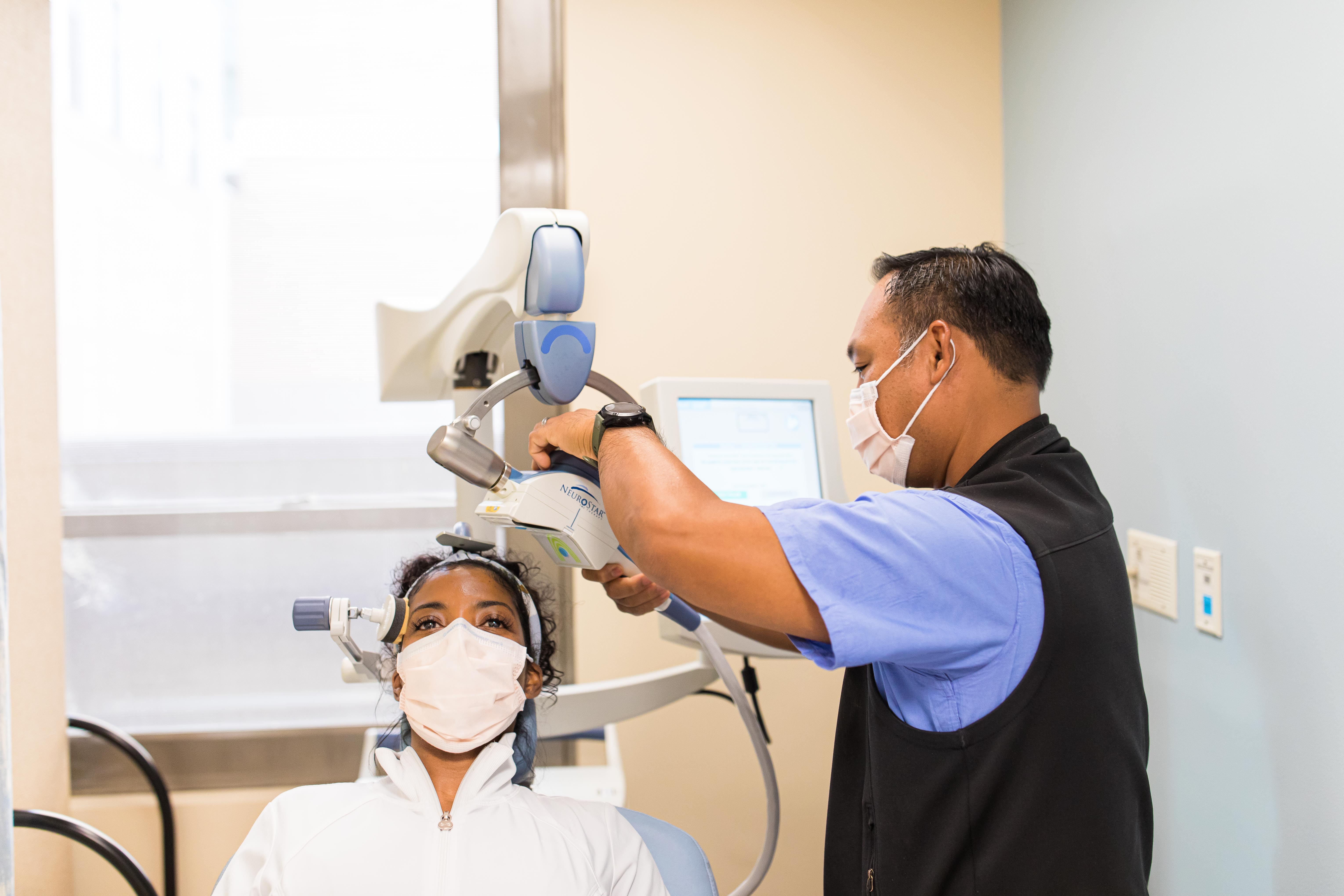
- Electroconvulsive therapy and other brain stimulation techniques
- Group psychotherapy at University Counseling Services
- Reproductive psychiatry
- Clozapine Clinic
- Critical Care Psychiatry
- Esketamine Consult and treatment service
- Infectious Disease Psychiatry clinic
- Neuropsychiatry Clinic
Call Schedule, Moonlighting and Salary
Our three night float positions provide much of the on-call coverage for our VCU Medical Center inpatient and emergency psychiatry services and the VA Medical Center psychiatry service. Residents on night float work approximately 11-hour shifts for two to three four-week blocks.
There is no call or night float during PGY-4 year.
Weekend call: Approximately 15 call shifts over the year. Up to 10 of these shifts will be 24-hour shifts on Friday or Saturday. Up to five of these shifts are also considered moonlighting for which residents may be compensated. The remainder are 13-hour shifts on weekends.
Evening weekday call: Average once every two weeks covering emergency department and inpatient consults. These shifts last about 4 hours.
Night float: There is no night float during PGY-3 year.
Weekend call: 20-21 weekend call shifts over the year. Up to five of these will be 24-hour shifts on Fridays and the remainder are 12-hour shifts on weekends.
Evening weekday call: Average once to twice per week on most services. These shifts last about 4-5 hours.
Night float: Average of 10 weeks total of night float, including inpatient consults, emergency department consults, and inpatient psychiatry at VCU and the VA, 10-12 hours per night for 5 nights per week.
Weekend call: There are 11-12 call shifts spread throughout your on-service psychiatry blocks (total psychiatry blocks make up approximately 28 weeks of your intern year). These shifts are typically 12-hours long. Off-service rotations include evening and weekend shifts with varying frequency.
Evening weekday call: Average once to twice per week while on service. These shifts last about 4-5 hours.
Night float: One month of night float covering inpatient psychiatry, about 10 hours per night for 6 nights per week.
In-house moonlighting shifts are available for second-, third- and fourth-year residents who have passed Step 3 and obtained a full Virginia medical license. On weekdays, moonlighters supervise PGY1 residents at VCU. On weekends they may cover a Friday night psychiatry ER/inpatient consult shift or cover consults during the day. Due to INS and ACGME regulations, J-1 visa holders are ineligible to work moonlighting shifts.
See the VCU Graduate Medical Education page for information about current house staff salaries. Benefits for residents include:
- Medical insurance
- Dental insurance
- Life insurance
- 15 calendar days annual vacation
- 30 calendar days annual sick leave
- Tuition assistance
- Fully paid meals on call
- Subsidized parking
A full list of summaries is available here.
Life in Richmond
We encourage our trainees to maintain a healthy, balanced life, and Richmond is a wonderful place to engage in that well-rounded lifestyle. As a mid-sized city with a metropolitan population of 1.3 million, Richmond provides stimulating activities while maintaining its intimate feel and unique vibe.
Learn more about our communityResearch Track
Background: The overall goal of the psychiatry resident research track is to provide a pathway for psychiatrists in training that ultimately leads to a career in psychiatric research. The program provides mentorship and training in research that leads to accomplishments (training, publications, academic credentials) that make the research track resident an excellent candidate for the next step in a career in psychiatric research (training grants, academic appointments).
Candidates: Medical students seeking a residency position at VCU with an active interest in a career in psychiatric research as evidenced by experience in research as an undergraduate student or medical student, preferably with presentations at scientific meetings and publications in peer-reviewed journals. Candidates will need to identify a faculty member who agrees to serve as a primary research mentor during their research track.
Program: The research track training program offers an increased focus on research as the research track resident progresses through the program as shown in the table below.
Research Track (click to enlarge):
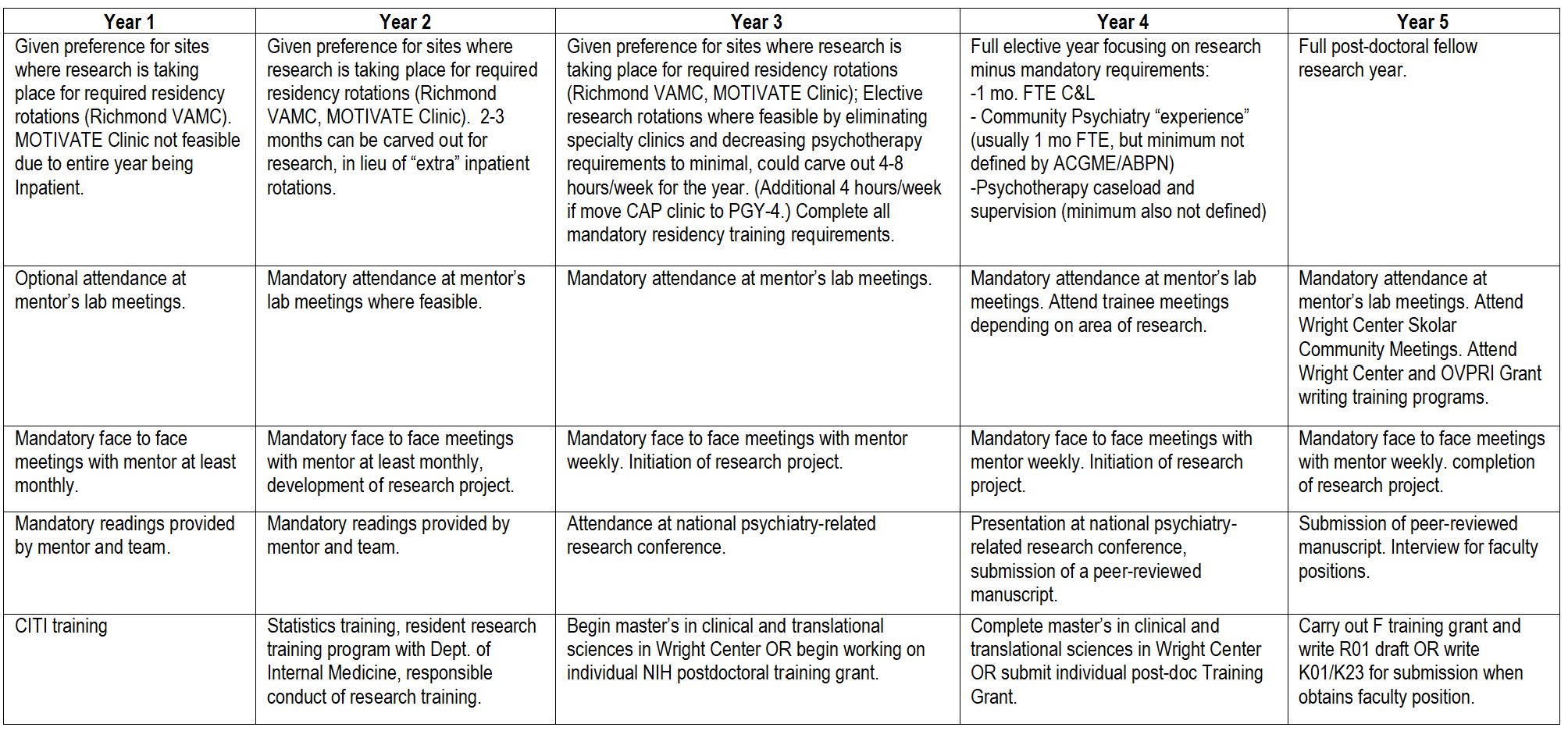
Outcomes: The primary measure of success for the psychiatry research track will be education of a diverse group of residents in research who go on to have a successful career in psychiatric research. DEIA is an overall metric for the program as it is for VCU. Specific metrics include: 1) number of peer reviewed publications from research track residents; 2) number of presentations at scientific meetings by research track residents; 3) completion of master’s degree by research track residents; 4) number of training grants submitted by research track residents; 5) number of grants funded to research track residents; 6) number of residents who obtain a research faculty position at an academic institution.
How to Apply
Starting in October 2023, we have added an Integrated Child and Adolescent Psychiatry Fast-Track Program, NRMP# 1743400C2, starting with PGY-1 at the VCU General Psychiatry Program for those who are interested.
The VCU Department of Psychiatry participates in the National Residency Matching Program (NRMP), and you can apply through the Electronic Residency Application Service (ERAS).
Application requirements
- Completed ERAS application
- Minimum passing score on USMLE or COMLEX Steps 1 and 2
- Medical student performance evaluation letter (formerly known as dean’s letter)
- Official copy of your medical school transcripts
- Three letters of recommendation, including at least one from a supervising psychiatrist
- Must be within four years of graduation from medical school or direct patient care activity
- Must have documentation of a minimum of three months of direct patient care activity in the U.S. or Canada in the last four years (clinical rotations during medical school are sufficient for U.S. and Canadian students)
- For international medical graduates, U.S. or Canadian medical school clinical rotations or externships of direct patient care within the U.S. or Canada will suffice (clinical observer experiences and non-clinical graduate work such as research do not meet this requirement)
Interviews
We offer interviews to select applicants from mid-October through January.
If you are selected for an interview, you will be contacted to schedule a date. The interview process includes an overview of the program, individual interviews with the program director, faculty and a resident, and interaction with with a group of residents. Since the advent of the COVID-19 pandemic, interviews are being conducted virtually.
Contact us:
VCU Psychiatry Residency Administration